
What Does a Roof Warranty Cover?
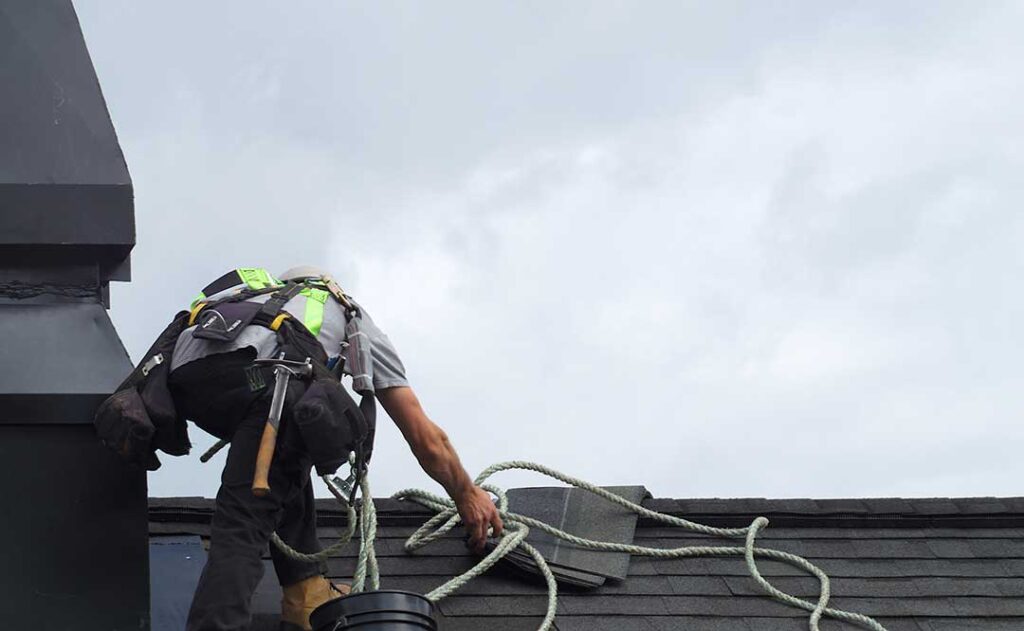
A roof warranty protects homeowners against certain problems that can arise with a new roof, but the details can vary widely. Most warranties fall into two broad categories: material warranties and installation (or workmanship) warranties.
- Material warranties are provided by the manufacturer of the roofing materials. These typically cover premature failure, such as shingles breaking down sooner than expected due to manufacturing defects.
- Installation warranties are issued by the contractor who installed your roof, covering errors made during the installation process.
It's common for homeowners in Oneida to wonder if their warranty covers leaks, wind damage during winter storms, or moss growth in the moist climate. Generally, leaks caused by faulty materials or improper installation may be covered, but issues like storm damage, improper maintenance, or natural aging are often excluded.
How Can Homeowners in Oneida Check Their Warranty Terms?
Start by locating your warranty paperwork, which is often included in the closing documents if you bought a newer house or provided by the roofer after installation. If the paperwork is missing, call the manufacturer of your roofing materials for material warranties or check if the installer provided a warranty registration.
Key information to look for:
- Length of coverage: Many material warranties last 20–50 years. Installation warranties are commonly 1–10 years.
- Coverage details: Is labor included, or does it just cover materials? Are only manufacturer defects covered, or are workmanship issues included?
- Transferability: Can the warranty pass to a new owner if you sell the home?
- Claim process: How do you report an issue, and what documentation is required?
Being aware of your roofer’s name, date of installation, and the exact product used can speed up any claim process. Local homeowners often don’t realize that small paperwork details, like failing to register a warranty within a certain period, can void their coverage.
What Is Not Covered Under Most Roof Warranties?
Most warranties exclude issues caused by outside forces or lack of maintenance. Common exclusions include:
- Storm-related damage (wind, hail, ice dams)
- Poor attic ventilation leading to shingle deterioration
- Flashing or gutter issues if installed by a different contractor
- General wear and tear after many years
- Moss or algae growth unless a specific "algae-resistant" product warranty is provided
For area homes, ice dams and heavy snow loads are notable issues that typically fall outside standard warranty protection and may be addressed by homeowners insurance, not the roof warranty.
What Maintenance is Required to Keep a Roof Warranty Valid?
Most manufacturers require homeowners to perform basic maintenance, such as clearing debris, cleaning gutters, and removing moss or algae. Documentation of regular inspections, especially after local storm events, can be critical. Neglecting these tasks can void your coverage if an issue arises.
Misunderstanding maintenance requirements is common. For example, if a homeowner in Oneida allowed maple leaves to pile up over the fall and this led to water pooling, a resulting leak may not be covered. Likewise, unauthorized repairs or using non-approved materials can make a warranty claim ineligible.
How Do You File a Warranty Claim?
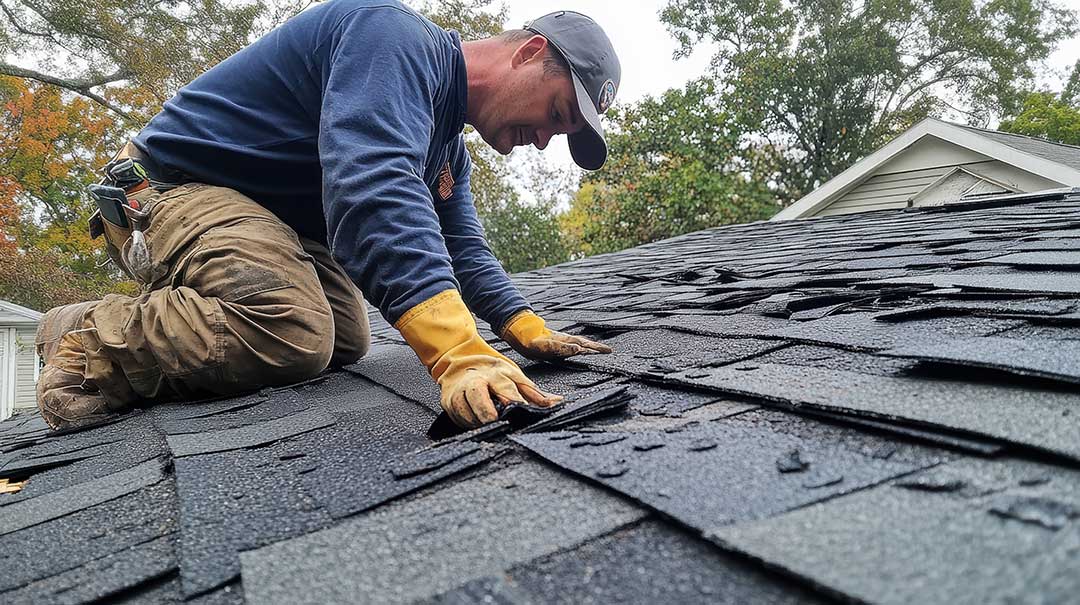
If you suspect a roof problem might be covered, gather supporting documents first. These may include:
- Original contract or receipt
- Warranty certificate or registration
- Photos of the problem area and entire roof
- Record of inspections or maintenance completed
Next, follow the instructions provided in your warranty documentation—usually this means contacting the manufacturer or installer directly by phone or through their website. Include as much detail as possible.
Local residents sometimes assume that insurance automatically covers all damage, but insurance generally only steps in for sudden damage (like storm impacts), while the warranty is for failures in product or installation.
Are Roof Warranties Transferred During a Home Sale?
Some—but not all—warranties allow for transfer to the next homeowner, sometimes requiring a fee or formal paperwork within a set time following the sale. This can increase a home’s value in the competitive Oneida market, but the new owner should always confirm transfer with both the warranty holder and product manufacturer.
Commonly, if the warranty is not transferred officially, coverage will lapse or be significantly reduced.
What Should Homeowners in Oneida Look for When Reading Warranty Documents?
Carefully read the “limitations and exclusions” section, as this explains what isn’t covered. Compare coverage duration for both material and workmanship. Check for any specific requirements tied to the local climate—some shingles are rated for certain temperatures or weather patterns that are relevant in Oneida’s four-season environment.
If something seems unclear—such as ambiguous language around wind speed limits for shingle failure—request clarification in writing from the manufacturer or installer. Asking questions before there is a problem can avoid stress and expense down the line.
Common Misconceptions About Roof Warranties
Many area households believe a long warranty automatically means full protection. However, coverage usually is limited to specific circumstances, and labor costs often are not included past an initial period. Another misconception is that every kind of roof problem will be free to fix under warranty, but acts of nature or installation errors by an unapproved contractor are typical exclusions.
Understanding the specifics of your coverage helps set realistic expectations and avoid surprise costs later.
