
Do Shade Trees Help Roofs Last Longer?
Shade trees can extend the lifespan of many roofing materials by reducing direct exposure to sunlight and heat. The cool shade provided by broad-canopied trees lowers the roof surface temperature, slowing the wear caused by harsh UV rays that break down shingles and other roofing products over time. In Oneida, where summers can bring periods of intense sunlight, these cooling effects offer a notable benefit for area roofs.
However, the advantages depend on proper maintenance. Overgrown branches, excessive leaf debris, or untrimmed proximity can introduce new risks that counter the positive effects of shade. For many local households, the best outcomes come from a balance of healthy tree cover and regular upkeep.
What Are the Main Benefits of Having Shade Trees Near My Roof?
Short, direct answer: Shade trees can reduce roof heat, cut energy costs, and slow shingle aging—especially during Oneida’s bright summers.
Here are the main advantages area residents may experience:
- Lower summer roof temperatures, which diminishes heat-related material breakdown
- Reduced need for air conditioning in upstairs spaces—potential for lower energy bills
- Moderation of freeze-thaw cycles impacting roofs in regional spring and fall weather
- Greater comfort indoors by limiting attic heat gain
By blocking intense sun, trees can slow the cracking or curling that sometimes affects asphalt and composite roofing after years of exposure. That said, these benefits are most pronounced when tree canopies are managed to avoid close roof contact.
Can Trees Also Create Roof Problems?
Short, direct answer: Trees that are too close, poorly maintained, or prone to heavy debris may actually shorten roof lifespan.
Potential risks include:
- Buildup of wet leaves, pine needles, or branches that trap moisture and accelerate shingle decay
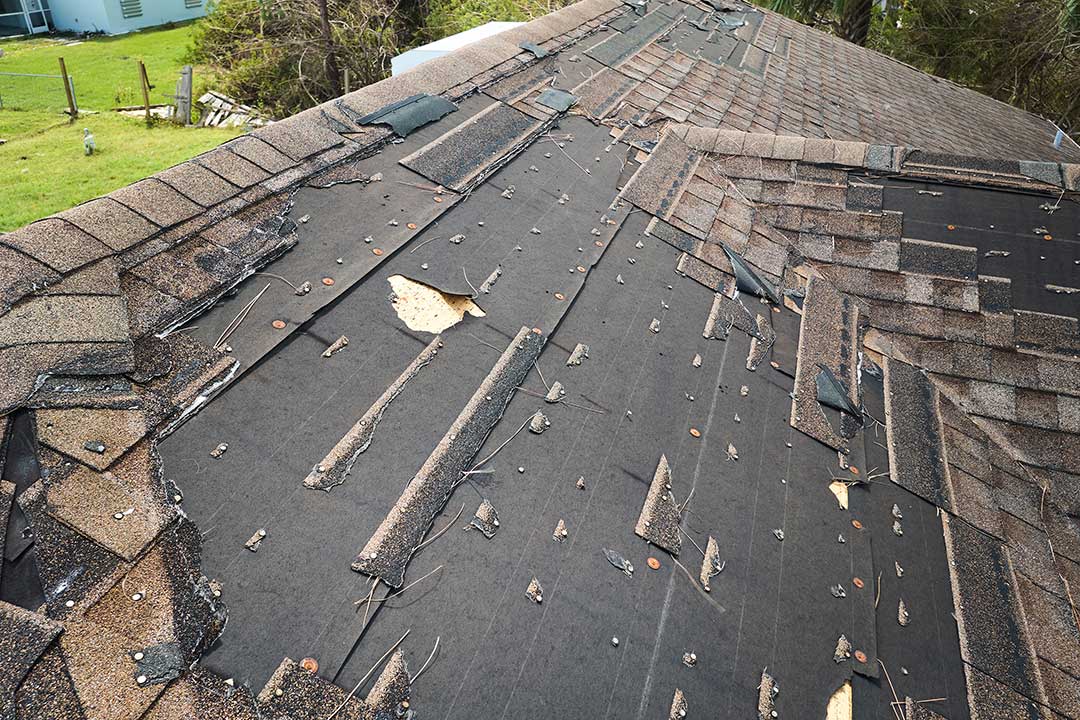
- Overhanging limbs scraping or puncturing shingles during storms, especially when weighed down by snow or ice
- Shade that prevents roof surfaces from drying quickly after rain, allowing moss and algae to develop
- Increased humidity around the roof, aggravating rot in older wood or organic-based roofing
Some neighborhoods in the city, especially those with mature tree cover and older housing stock, may notice roofs under dense canopies requiring replacement sooner due to moisture issues. Regular clearing of debris and branch trimming can help offset these negatives.
How Do Local Weather Patterns in Oneida Influence These Effects?
The city’s combination of humid summers, wet falls, and snowy winters creates both opportunities and risks for roofs under shade trees.
Tree shade proves most valuable during sunny, hot spells and helps slow UV degradation. However, in late autumn, large amounts of falling leaves can clog gutters and create standing water on low-slope roofs. Winters bring the risk of ice dams if snow accumulates in valleys near tree-covered areas, since these parts melt more slowly under shade.
In early spring, extended dampness beneath overhanging branches can promote moss and algae growth—both known to degrade shingles and increase the need for cleaning or repair.
Which Tree Species Have the Greatest Impact on Roof Longevity?
Shade benefit and debris risk both depend on the type of tree:
- Broadleaf species like maples and oaks provide dense shade but drop significant leaf litter in fall.
- Evergreens (such as pines) may continuously shed needles, which easily accumulate on roofs and in gutters.
- Some fast-growing species have softer wood, making large limbs more likely to break in high winds, which are not uncommon during local thunderstorms.
Routine attention to pruning and debris removal is especially important for homes surrounded by large, mature trees—whether deciduous or evergreen.
What Maintenance Practices Protect Roofs Under Tree Cover?
Short, direct answer: Regular pruning, cleaning, and monitoring are the most effective ways to protect both roof and tree.
For households in the city with homes shaded by trees:
- Trim branches to maintain a gap of at least a few feet between canopy and roof
- Remove windblown twigs, seed pods, and leaves from roof surfaces after storms or every fall
- Clean gutters routinely to prevent water backup and ice dam formation
- Watch for signs of moss or mold and address these early, ideally during dry weather
Avoid using pressure washers on roofs, as they can damage shingles—opt for gentle sweeping or low-pressure rinsing. Safe roof maintenance may require caution, especially on steep or wet surfaces during the spring thaw or after summer storms.
Are There Any Common Misconceptions About Trees and Roofs?
Some local residents assume that all roof shade is helpful, but neglected trees can be as damaging as constant sun. Conversely, others believe all nearby trees are bad for roofs, which ignores the genuine cooling and energy benefits of managed shade.
Another myth is that small tree overhang does not matter. Even minor canopy contact can allow animals, such as squirrels, to reach the roof or lead to early shingle wear from rubbing limbs.
What Do Homeowners in Oneida Need to Weigh Before Planting or Removing Trees Near the House?
Choosing to plant or remove trees is a long-term decision with both environmental and roof care impacts.
Factors to consider:
- Mature height and spread relative to the house and property lines
- The mess produced by flowers, fruit, or seeds (and how much will land on the roof)
- Likely root growth patterns—some species may threaten foundations or pipes as they age
- Balance of energy savings versus possible increased maintenance
In many cases, modest tree coverage managed for air flow and light penetration will provide the best mix of benefits and minimized risk for homes in the community.
