
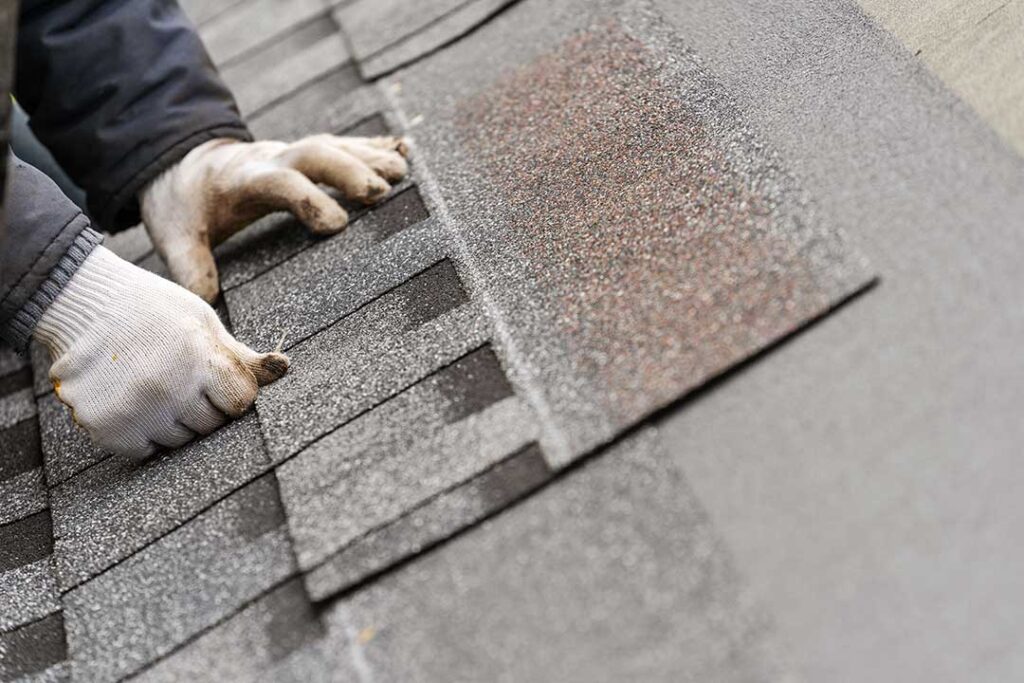
Why Sealing Roof Penetrations Matters in Oneida, NY
Roof penetrations—such as vents, pipes, chimneys, and skylights—are common on many homes throughout Oneida, NY. Each gap or opening, if not properly sealed, can allow water to seep into the roofing system, leading to leaks, insulation damage, mold, and even structural issues over time. Local residents contend with freeze-thaw cycles, heavy spring rains, and winter snow loads, making it particularly critical for area households to keep these vulnerable spots well-protected.
What Roof Penetrations Are Most Common in the City?
Roof features that break the flat surface of shingles or roofing material usually fall into one of these types:
- Plumbing vent stacks and exhaust pipes
- Chimneys (brick, stone, or metal)
- Attic fan or other mechanical exhaust vents
- Satellite dish mounting brackets or wiring
- Skylights and solar tubes
Each type of penetration requires a weatherproof seal at the junction where it meets the roof surface to prevent water infiltration.
How Do Most Leaks Occur Around Penetrations?
Leaks are most often the result of degraded or missing sealant or flashing, especially after several seasonal cycles. Typical issues include:
- Cracked or brittle sealant from repeated freezing and thawing
- Loose metal flashing around chimneys or vents
- Gaps at the base of pipes where flexible boot covers have shrunk or cracked
- Water backing up due to ice dams, forcing moisture under vulnerable edges
Neglecting these concerns can be more noticeable in older sections of homes or after rough winters. Regular visual inspection helps spot trouble early.
Which Materials Are Used for Sealing?
Several materials serve as barriers to water entry, each suited for certain penetration types:
- Roofing Caulk/Sealant: Elastomeric, polyurethane, and silicone-based compounds, chosen for adhesive strength and flexibility.
- Flashing: Thin, shaped metal (aluminum, lead, or galvanized steel), tucked under shingles and around protrusions.
- Rubber or Neoprene Boots: Used for pipes, these flexible collars tighten around round objects.
- Roofing Cement: Asphalt-based patching compound, applied for certain repairs in dry weather.
Selecting the right product for the penetration and the roof’s material—especially for asphalt shingle roofs common throughout the city—ensures a lasting seal.
What Steps Ensure a Durable Seal?
To properly seal a roof penetration, the following steps should be followed. Minor penetrations (such as vent pipes or small satellite cable entries) can be managed by many area homeowners who are steady on a ladder and comfortable with basic tools.
1. Clean the Area: Gently remove debris, loose granules, or previous deteriorated sealant from around the penetration.
2. Check Flashing and Boots: Inspect metal or rubber components for rust, gaps, or cracks. Replace any that are compromised.
3. Apply the Correct Sealant: Use a high-quality roof sealant made for exterior conditions. Apply it around the base of the penetration, smoothing to banish air pockets or gaps.
4. Embed Flashing as Needed: For chimneys or larger pipes, ensure the flashing sits both under and over shingle courses for proper water shedding.
5. Secure with Fasteners: Where appropriate (such as for replacement flashing), use corrosion-resistant nails or screws with extra sealant over fastener heads.
6. Inspect After Weather Events: Following intense rains or thaw cycles, check that the seal remains watertight.
Example: Around a plumbing vent stack, first check the neoprene boot for cracks. Remove loose old caulk, apply fresh sealant, and make sure the flashing sits flush beneath shingles both above and to the sides of the pipe.
How Often Should Local Homeowners Inspect Penetrations?
In Oneida, it’s best to inspect roof penetrations twice yearly: once in spring after snow has melted, and once in fall before winter sets in. These times allow for repairs before heavy weather or before freezing conditions limit safe roof access. Frequent inspection is especially useful for older homes in the area that may have original roofing materials or prior amateur repairs.
Are There Weather Considerations Unique to Oneida?
Local climate patterns—freeze-thaw cycles, ice dam formation, blowing rain, and dramatic temperature swings—pose special challenges for roof seals:
- Choose sealants rated for year-round flexibility to avoid cracking.
- Complete repairs during dry stretches when temperatures are above 40°F to ensure good adhesion.
- Ensure flashing extends at least a few inches beneath surrounding shingles to direct water downslope, especially important where snowmelt can refreeze at night.

What Mistakes Do Residents Commonly Make?
Several oversights tend to crop up in local roof upkeep:
- Piling new sealant onto old, degraded material, which won’t adhere and may crack away
- Relying solely on caulk without functional flashing for larger penetrations
- Using interior-grade or general-purpose caulks, which fail quickly in exterior roof conditions
- Not extending flashing far enough beneath shingles, leaving underlying plywood at risk
Taking time to clean, remove failed sealant, and use compatible exterior-grade products pays off with better results.
When Is DIY Not Recommended?
While many residents can handle simple vent pipe or small satellite cable sealing, some situations do warrant caution or professional assessment, such as:
- Tall, steep, or slippery roofs where ladder work is hazardous
- Major chimney leaks requiring masonry repairs or flashing replacement
- Signs of rot, mold, or attic water stains indicating ongoing damage
Area building codes may also require proper flashing types for certain installations. Local homeowners should prioritize personal safety and code compliance if unsure.
Final Tips for Maintaining Sealed Penetrations
To keep roof penetrations in good shape across the community:
- Trim back branches and clean gutters so water sheds efficiently away from roof features
- Look for signs of pest activity (birds, squirrels) disturbing seals or flashing
- Mark inspection periods on a calendar so minor issues don’t get missed
By attending to these vulnerable roof areas, residents can extend roof life and help prevent expensive repairs due to water intrusion, especially given Oneida’s climate challenges.
