
What does a roof fire rating mean?
A roof fire rating describes how a complete roof assembly performs when exposed to fire from outside the building. It is meant to slow ignition, flame spread, and the movement of burning material across the roof surface.
For most residential roofing questions, the ratings are:
- Class A: Effective against severe fire exposure
- Class B: Effective against moderate fire exposure
- Class C: Effective against light fire exposure
A fire rating does not mean a roof is fireproof. Even a Class A roof can be damaged by prolonged heat, flames entering through openings, or a fire that starts inside the building.
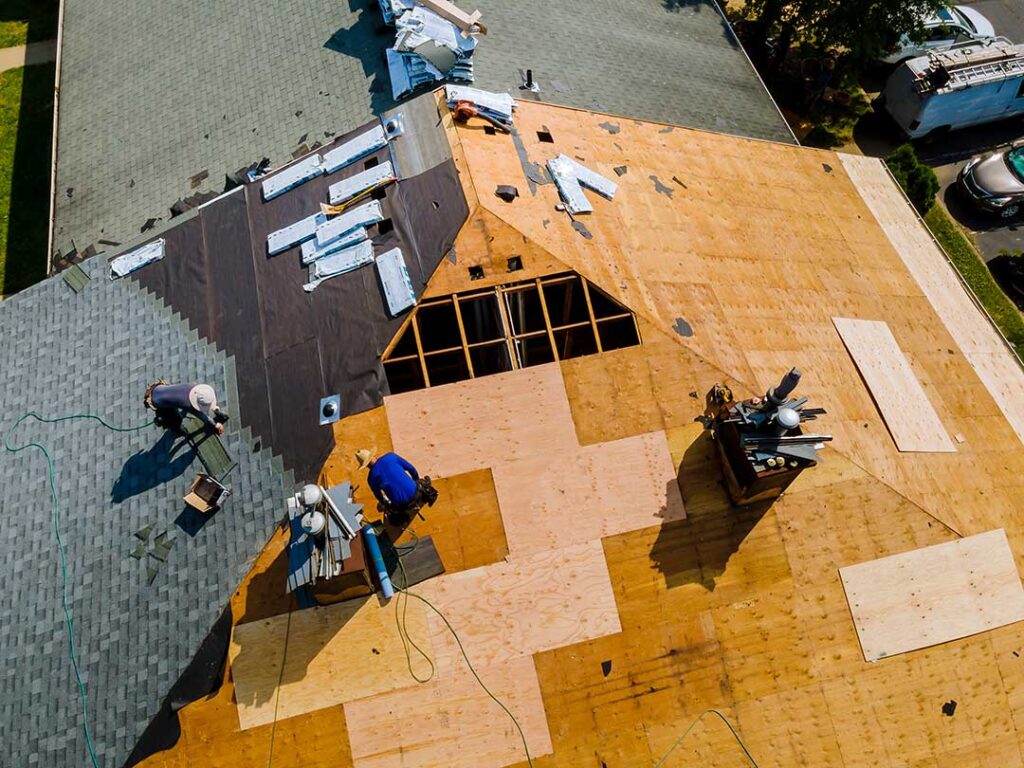
The rating generally applies to the tested roof assembly, not simply to one visible product. The roof deck, underlayment, covering, installation method, and sometimes insulation or other components can affect the result.
Why does roof fire resistance matter in Oneida, NY?
Fire exposure is not limited to dry, western wildfire regions. In Oneida, NY, homes can still face roof-related fire risks from chimney or heating-system problems, nearby structures, electrical faults, outdoor burning, and airborne embers.
Seasonal conditions also matter. Dry leaves, dead vegetation, and accumulated debris can collect in roof valleys, gutters, and around roof penetrations. During a dry stretch, these materials may ignite more easily than a clean roof surface. Snow and ice create different concerns: heavy accumulations can conceal damaged materials, block drainage, or make inspection difficult until conditions improve.
Many homes in the community are relatively close to neighboring structures, garages, sheds, or accessory buildings. In those settings, a roof covering that resists flame spread can provide an added layer of protection if a nearby building catches fire.
Is Class A always the required rating?
Not necessarily. The required rating depends on the building type, roof design, construction details, property layout, and applicable code provisions.
Residential code rules commonly address situations such as a roof edge located close to a property line. More restrictive requirements may also apply to certain building types or construction classifications. New York’s Uniform Code establishes statewide minimum standards, while local enforcement determines how those requirements apply to a specific permit or project.
The applicable code edition can depend on when a permit application was submitted and which rules were in effect at that time. New York’s 2025 Uniform Code became fully effective on December 31, 2025, so roofing work undertaken after that date may be reviewed under updated provisions.
A roof replacement, reroofing project, addition, solar installation, or structural repair may involve different requirements. A homeowner should not assume that the rating used on an older roof automatically satisfies the rules for new work.
What materials commonly receive a Class A rating?
Several roofing materials can be part of a Class A assembly when tested and installed according to their listing.
Examples may include:
- Asphalt shingles labeled for Class A installation
- Metal panels or metal shingles
- Clay or concrete tile
- Slate
- Certain roof coverings installed over approved decks and underlayments
The same general material can have different fire classifications depending on its design and the supporting roof assembly. For example, a particular shingle may achieve Class A only when installed over specified underlayment and roof decking.
Wood shakes and shingles require special attention. Some are treated with fire-retardant chemicals and tested for a stated classification, but untreated wood roofing should not be assumed to meet a higher rating.
Does the underlayment affect the rating?
Yes. Underlayment can be a significant part of a tested roof assembly, especially where the roof covering is installed over a combustible wood deck.
A product label may describe the covering itself, while the installation instructions identify the roof deck, underlayment, fasteners, ventilation details, and slope limitations required to maintain the tested performance. Substituting materials may change the assembly’s classification.
This is one reason that a roof cannot be judged by looking only at the shingles or panels. Two roofs with similar visible coverings may have different fire performance because their underlying construction is not the same.
Is a fire-rated roof the same as a fire-resistant roof?
The terms are related but not identical.
A roof covering fire classification generally describes performance during an exterior fire exposure test. It focuses on issues such as flame spread across the surface, penetration through the covering, and the production of burning material.
A fire-resistance rating usually describes how long a building component can resist fire under a specified test. This term is more often associated with walls, floors, ceilings, structural assemblies, and separations between attached units.
A roof may have a Class A covering without the entire building having a one-hour fire-resistance-rated roof structure. Conversely, a roof assembly may be part of a larger fire-rated design involving ceilings, framing, and fire barriers.
What should homeowners look for on roofing documents?
For a new roof or repair involving replacement materials, useful information includes:
- The stated fire classification
- The testing standard or listing information
- The required roof deck and underlayment
- Approved slope ranges
- Installation limitations
- Requirements for valleys, ridges, penetrations, and edges
- Whether the rating applies to the entire assembly or only a component
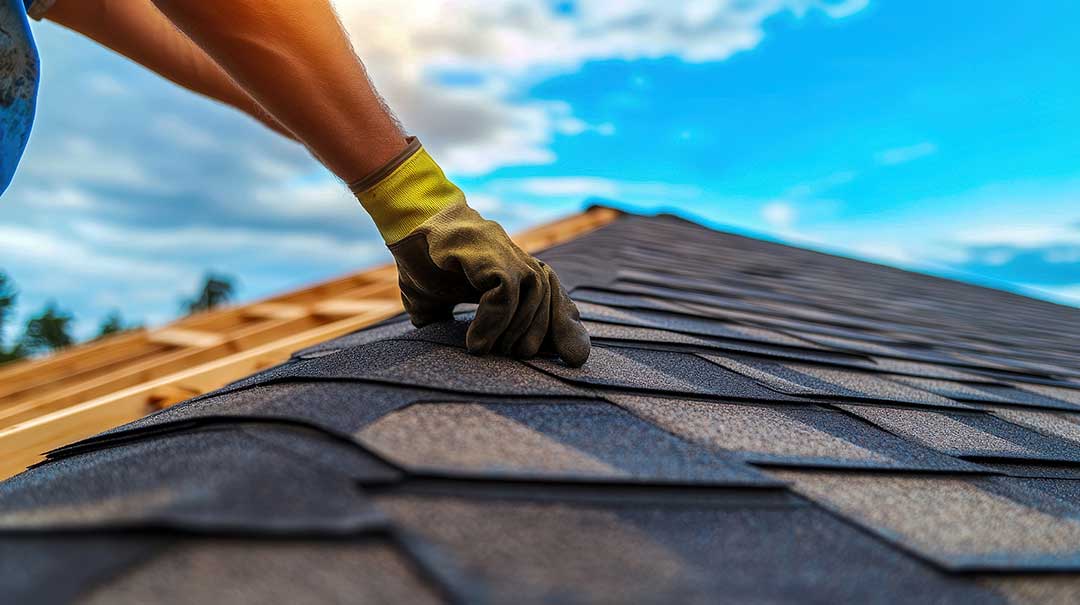
Packaging, product literature, and installation instructions should agree. If paperwork identifies only a material name without a classification, it may not provide enough information to determine the roof’s actual fire performance.
Older homes may have incomplete records, especially when roofing has been replaced more than once. In that situation, visible material alone may not establish the current rating.
Do chimneys, vents, and roof edges affect fire safety?
They can. Roof openings and transitions create places where heat, flames, or embers may reach underlying materials.
Chimneys require proper clearances from combustible framing and correctly installed flashing. Roof vents, plumbing penetrations, skylights, solar equipment, and attic access points must be installed in a way that does not undermine the roof system.
Eaves and roof edges also deserve attention. Gaps, exposed wood, deteriorated fascia, and debris trapped beneath overhangs can create pathways for fire to move into the attic. In attached homes or buildings close to a lot line, edge details may be especially important for code compliance.
Does a Class A roof prevent fires caused by electrical or heating equipment?
No. A roof classification mainly addresses fire exposure from outside the roof assembly. It does not correct unsafe wiring, overloaded circuits, chimney problems, blocked heating vents, or defective equipment inside the home.
Fire safety also depends on:
- Keeping chimneys and heating appliances maintained
- Removing leaves and combustible debris from roof valleys and gutters
- Maintaining safe clearances around vents and flues
- Avoiding unapproved penetrations through the roof
- Checking attic areas for damaged wiring or heat discoloration
- Following local permit requirements for reroofing and rooftop equipment
If a roof has visible charring, smoke damage, melted materials, or suspected fire exposure, it should not be disturbed until the structure is considered safe. Fire-damaged roofing can hide weakened decking, framing, or insulation.
What is the practical takeaway for a roofing project?
The most useful question is not simply, “What material is on the roof?” It is, “What fire classification applies to the complete roof assembly as installed?”
For residents planning roofing work, the key facts to confirm are the applicable New York code requirements, the product’s listed classification, and whether the proposed installation matches the tested assembly. In Oneida, permit and inspection requirements may also apply depending on the scope of work.
A properly documented Class A assembly generally offers the strongest exterior fire protection among the standard roof classifications, but its performance depends on correct installation and the condition of the surrounding building components.
