
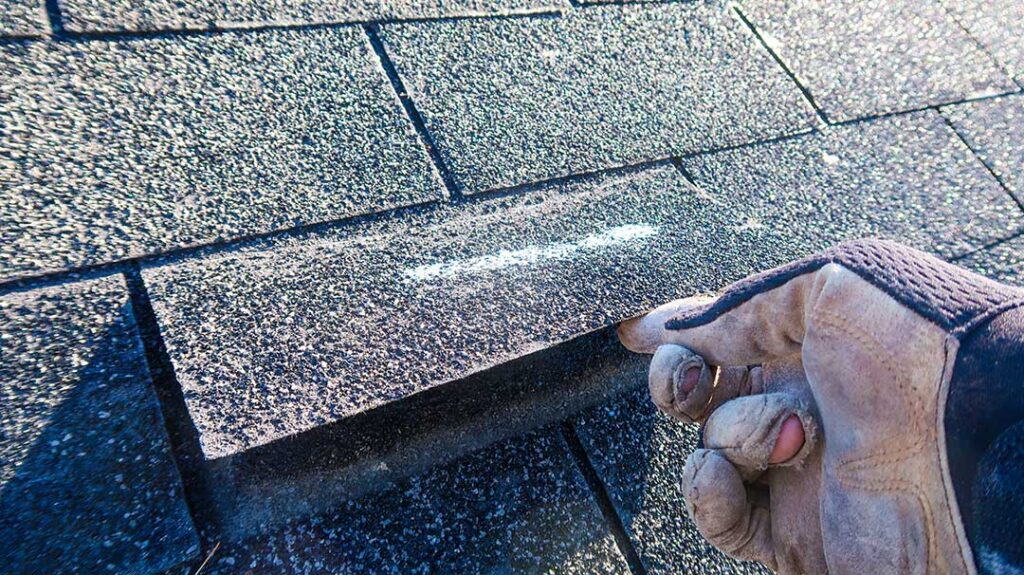
Roof damage does not stop during a public health emergency, severe storm, supply shortage, or other community crisis. Some problems can wait briefly, but active leaks, exposed roof openings, structural damage, and unsafe conditions may worsen quickly—especially during the freeze-thaw cycles, heavy snow, wind, and rain common in Oneida.
The safest approach is to separate urgent protection from nonessential work, reduce unnecessary indoor contact, and document decisions carefully.
Which roof problems need immediate attention?
Active water entry, a partially collapsed roof, exposed electrical components, and large openings should be treated as urgent. Delaying these conditions can lead to ceiling collapse, wet insulation, mold growth, damaged wiring, or more extensive structural deterioration.
Urgent warning signs include:
- Water running through ceilings or walls
- Sagging roof decking or interior ceilings
- Missing roof sections after high wind
- Large areas of torn or displaced roofing
- Daylight visible through the roof or attic
- Water near electrical outlets, light fixtures, or wiring
- Snow or ice buildup creating unusual roof loads
- Tree limbs or other debris resting on the roof
If water is near electrical equipment, avoid touching the affected area. Shut off power only if it can be done safely without entering standing water, and keep people away from rooms with sagging ceilings.
A small stain that has stopped spreading may allow time for planning, but it should still be monitored. Roof leaks often travel along rafters, insulation, and ceiling materials, so the visible mark may not be directly below the roof defect.
Can roof repairs be postponed during a crisis?
Minor, cosmetic, or non-leaking work can often wait. Active leaks and safety hazards generally should not.
A useful distinction is whether the problem is causing ongoing damage. Replacing weathered shingles on an otherwise dry roof may be deferrable. Covering an open section, stopping water from entering, or stabilizing a dangerous area is more time-sensitive.
Temporary protection may include a properly installed tarp, a temporary covering over a small opening, or interior measures such as placing containers beneath a leak and moving furnishings away from water. These steps are not permanent repairs. Improvised roof access can be dangerous during rain, ice, high wind, or snow, and residents should not climb onto a damaged roof without suitable training and fall protection.
In winter, avoid breaking or removing roof ice from the ground or from a ladder. Falling ice can injure people and damage property, while aggressive chipping can harm roofing materials and gutters.
How can indoor exposure be reduced?
The most effective arrangement is usually to keep the work outdoors and avoid unnecessary entry into the home. Before any visit, provide clear information about the location of the damage, roof access, pets, children, alarm systems, and whether anyone in the household is ill or medically vulnerable.
If indoor access is necessary:
- Limit the work area to the smallest practical space.
- Keep household members in another room or away from the property during entry.
- Open windows or doors when weather and safety conditions permit.
- Use exhaust fans or portable air cleaners where appropriate.
- Avoid handshakes and shared drinks, tools, or personal items.
- Clean frequently touched surfaces after the work is finished.
- Use a well-fitting mask or respirator when respiratory illness is circulating, particularly around people at higher risk.
The CDC identifies cleaner indoor air, ventilation, hygiene, physical distancing, and masks as useful layers of protection against respiratory viruses. A person who is sick should stay away from others until symptoms are improving overall and there has been no fever for at least 24 hours without fever-reducing medication; added precautions are recommended for the following five days. ([cdc.gov](https://www.cdc.gov/respiratory-viruses/prevention/precautions-when-sick.html?utm_source=openai))
These measures apply beyond COVID-19. Influenza, respiratory syncytial virus, and other infections can also disrupt household routines and make indoor repair work more complicated.
What should residents ask before allowing repair work?
Clear communication can prevent confusion and reduce time inside the home. Questions may include:
- Is the visit limited to emergency stabilization, or does it include nonessential work?
- Can the problem be inspected from the ground, attic, or exterior before entering living areas?
- How many people will enter the home?
- What happens if a worker becomes sick or a household member develops symptoms?
- Will the work area be cleaned before departure?
- How will materials, debris, and waste be handled?
- Is the proposed temporary repair expected to last days, weeks, or longer?
- Are permits or inspections required for the planned work?
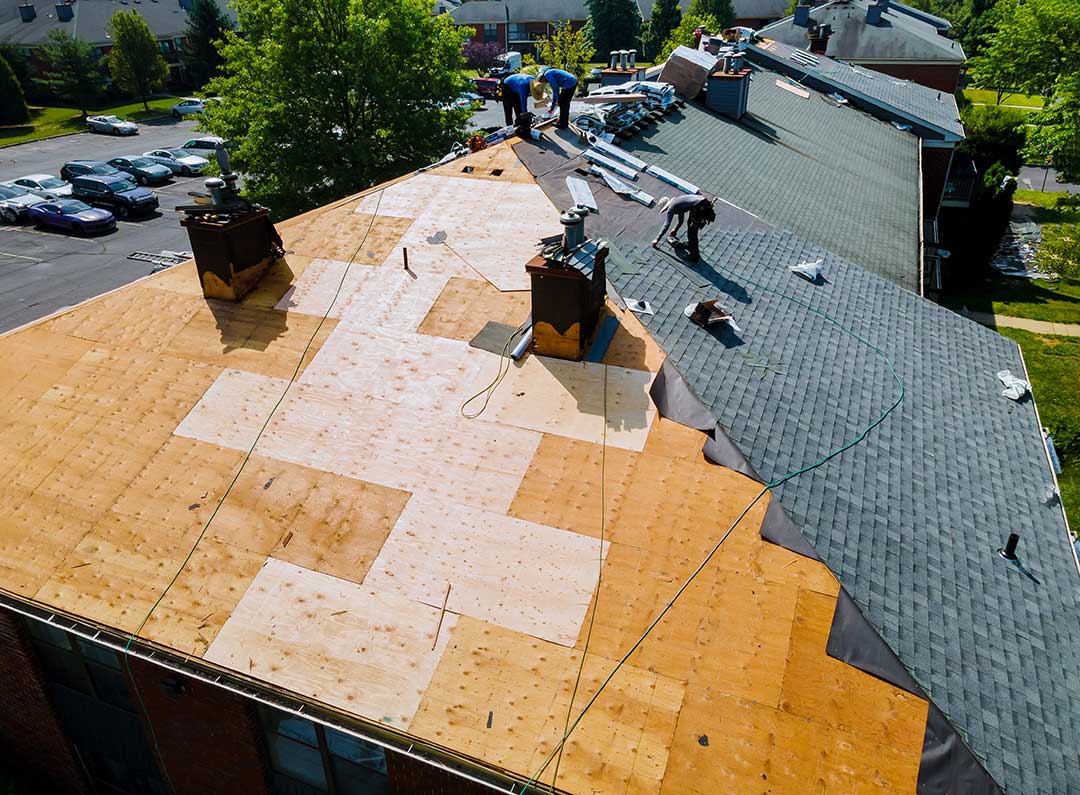
Residents should request a written description of the problem, the immediate protective steps, the permanent repair plan, and any conditions that could change the scope. Photographs taken before and after temporary work can help with insurance records and future planning.
What about permits, insurance, and emergency access?
A crisis does not automatically cancel local building requirements. Permit and inspection rules can vary according to the repair, structural involvement, roofing material, and current municipal procedures. Before beginning substantial work, verify requirements with the appropriate building department or municipal office, especially if roof framing, ventilation, fire separation, or structural components are involved.
Insurance policies also differ. Promptly document damage with photographs and written notes, protect the property from additional harm when safe, and retain receipts for emergency materials. Do not discard damaged roofing or soaked materials until the insurer’s documentation requirements are understood, unless leaving them in place creates a safety or sanitation risk.
If a public emergency affects office hours, inspections, material availability, or travel, record the date of each call or message and keep copies of approvals, instructions, and repair-related correspondence.
How should households prepare for another roof emergency?
A modest emergency plan can make roof damage easier to manage during storms, illness outbreaks, or supply disruptions. Keep important information together, including insurance details, roof age if known, prior repair records, photographs, and contact information for utility and municipal offices.
Useful household supplies may include:
- Heavy-duty containers for collecting water
- Plastic sheeting for protecting furniture and floors
- Towels and absorbent materials
- Flashlights and spare batteries
- Basic cleaning supplies
- A phone charger or backup power source
- A list of household members who may need special protection from respiratory illness
Inspect the attic and upper ceilings periodically, especially after heavy snow, strong wind, or repeated freeze-thaw weather. Look for damp insulation, darkened wood, daylight, rusty fasteners, and fresh water marks. Do not enter an attic if the floor is unstable, wiring is exposed, or structural damage is suspected.
The goal during a crisis is not to complete every roofing project immediately. It is to prevent active damage from becoming worse, protect people from unsafe conditions, reduce avoidable indoor exposure, and preserve accurate records until permanent work can be completed safely.
