
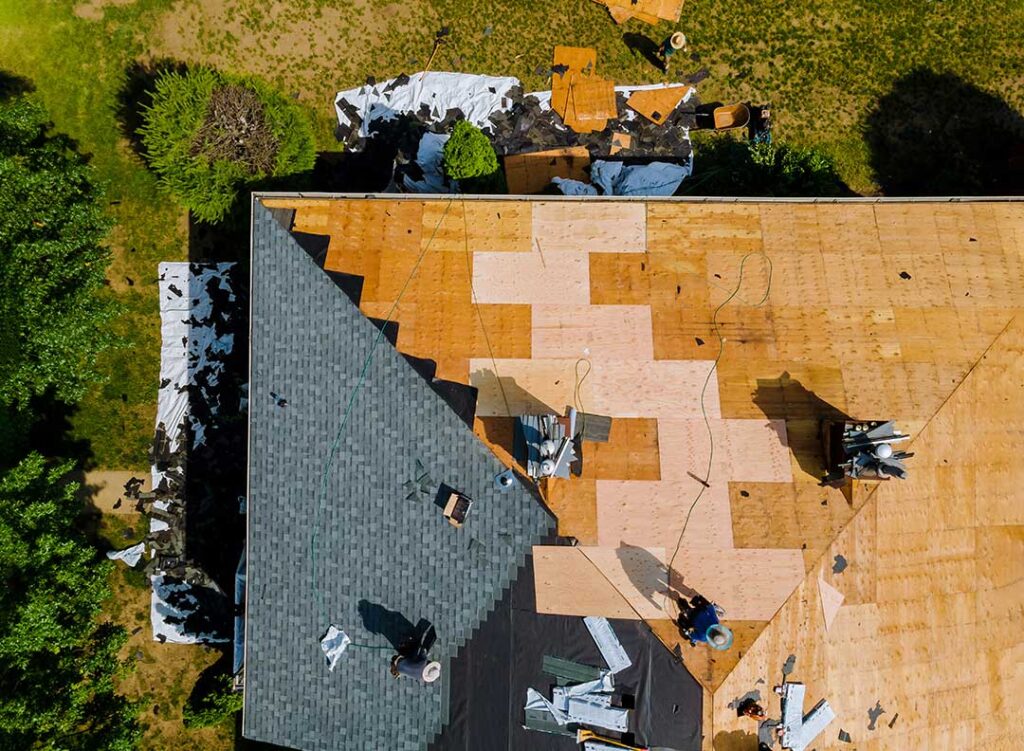
What Should You Do First After Roof Damage in Oneida, NY?
Start by safely assessing the situation from the ground. Extreme weather—like ice storms, heavy wet snow, or spring wind gusts—can cause sudden roof damage that’s common in this part of central New York. Check if there are visible issues such as missing shingles, fallen branches, sagging areas, or exposed plywood. Never climb onto a wet or icy roof.
If you discover active leaks inside, move belongings away from the affected area and place containers to catch water. Document what you see with photos—these are useful both for your own records and, if needed, with insurance claims. If structural safety is in doubt (significant sagging, large holes, or risk of collapse), leave the area beneath the damaged section.
How Can You Temporarily Stop a Leak?
Temporary fixes can prevent further damage until full repairs are possible. If water is actively coming in and you cannot get professional help right away due to weather or widespread damage, use materials commonly found at home:
- Heavy-duty tarps: Secure them with weights or duct tape on the roof if it’s safe to do so from a ladder during calm conditions.
- Plastic sheeting: Draped over problem spots inside, these help protect furniture and floors.
- Roofing cement or caulk: Good for small holes reachable from a ladder edge, not meant for widespread or structural issues.
- Towels and buckets: Contain interior drips and limit spread to walls and floors.
Never attempt repairs during lightning, high winds, or icy conditions. In winter, ice dams are a common cause of leaks in homes in this area, so avoid breaking up ice at the edge of your roof, as it can damage shingles or cause injury.
What Weather Risks Are Specific to the City?
Heavy snowfall, rapid thaws, and nor’easters are normal for the region. Roofs with lower pitches or blocked gutters can face ice damming, where melting snow refreezes at eaves and causes attic or wall leaks. If you see large icicles or ice ridges, try to reduce interior heat loss by adding insulation or sealing attic bypasses, not by hacking away from the outside.
Wind can loosen shingles or bent flashing. After a windstorm, look for debris or shingles in your yard. Always check attic ceilings for new stains or dampness after severe weather.
What Should You Avoid Doing During Emergency Roof Situations?
Well-meaning residents sometimes make problems worse. Avoid these common errors:
- Climbing onto a snow- or ice-covered roof: Slip risks are high and falls are serious.
- Using salt or chemicals to melt roof ice: Most are corrosive or damaging to roof surfaces and gutters.
- Nailing or screwing materials into cold, brittle shingles: This can crack shingles and cause additional leaking come spring.
- Ignoring small leaks: Even minor drips can lead to mold growth, insulation damage, or warped wood framing in the humid months.
Can You Perform Small Repairs Yourself?
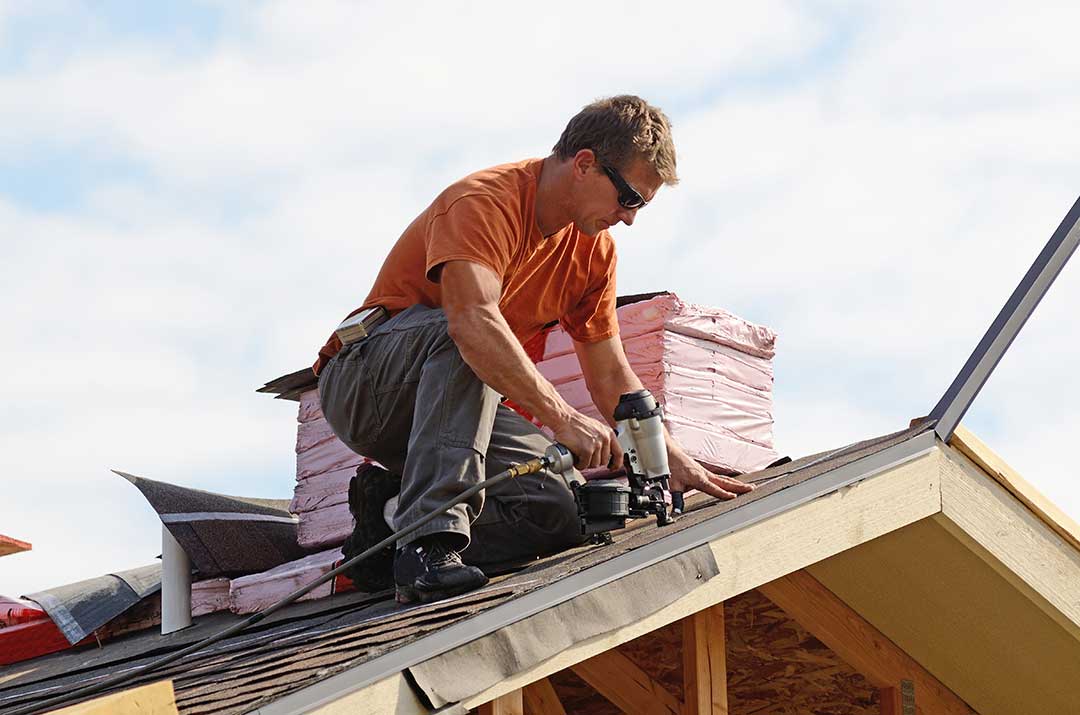
Minor repairs are possible for those comfortable with heights and basic tools, but safety must come first. If the issue is limited to a few torn shingles and weather is calm, replacing them or using roof cement may help in the short term. Always use a properly secured ladder, wear non-slip shoes, and avoid working alone.
For leaks that involve electrical systems, large areas of exposed wood, or sagging ceilings, professional assessment is warranted due to risks of fire, structural collapse, or hidden damage.
How Should You Prepare for Emergency Roof Issues in the Future?
Having basic materials on hand can help area households respond quickly. Useful items include:
- Heavy-duty tarps and bungee cords
- Flashlight or headlamp
- Extra buckets
- Roofing cement or patch kits (for asphalt roofs)
- Simple gutter cleaning tools (to prevent ice dams in the fall)
Keeping gutters clear before winter and after autumn leaf fall is crucial for preventing water backup. Trim overhanging limbs in late winter or early spring (once the risk of ice breakage passes) to reduce future storm hazards.
Are There Local Regulations or Insurance Factors to Consider?
Check with your home insurance provider about policies specific to the region’s storm risks, including ice and snow damage. Take pictures of both damage and repairs. Some homeowners in the city may need approval for major repairs if the home is in a designated historic district or has certain homeowner’s association requirements. Consult municipal websites for property-specific regulations.
What Are Signs Your Roof Needs Immediate Replacement Rather Than Temporary Fixes?
Temporary repairs won’t solve severe or systemic problems. Be alert for:
- Widespread loss of shingles exposing large plywood areas
- Multiple active leaks across different rooms
- Noticeable sagging or bowing of roof lines
- Rotting wood or visible mold growth in attics
These indicate underlying structural issues that go beyond emergency patches and require a comprehensive solution.
