
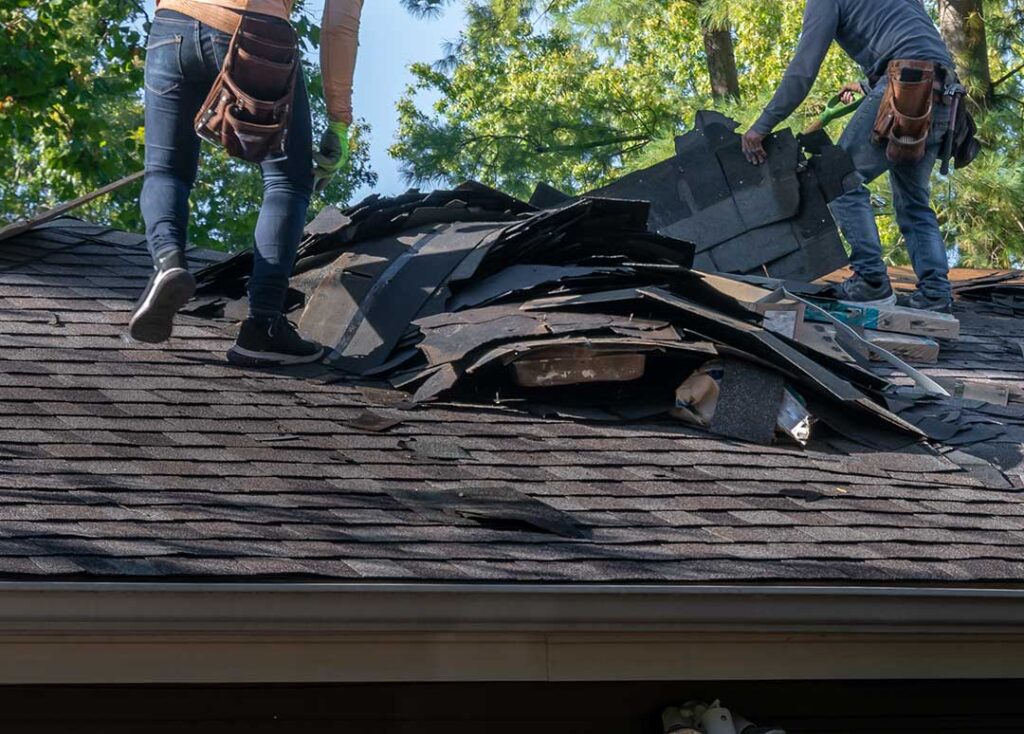
Why Should Homeowners in Oneida, NY Be Concerned About Rooftop Safety?
Homeowners in Oneida, NY often encounter rooftop maintenance concerns, especially due to weather and changing seasons. Climbing onto your roof may seem straightforward, but risks include falls, slippery surfaces, and hidden structural issues. Recognizing these hazards is essential for anyone hoping to handle basic inspections or minor tasks above ground level.
The city’s climate—with snow, ice, rain, and wind throughout the year—makes rooftops more dangerous than in many other regions. Even routine maintenance can lead to injuries without the right approach. Understanding when and how to access your roof safely is a crucial first step.
What Are the Most Common Risks When Accessing a Roof?
Falls are the most significant hazard, but several other risks impact local residents:
- Slippery surfaces from rain, frost, or moss growth
- Loose or damaged shingles that may give way underfoot
- Structural weaknesses, especially in older homes
- Unexpected gusts of wind
- Debris, such as leaves or acorns, that can obscure footing
- Electrical hazards from nearby wires
Each of these risks increases in the spring and fall, when strong winds, rain, and debris are more common. Homeowners should always treat their own roof as potentially hazardous—even if it appears stable from the ground.
How Should You Prepare Before Going Onto Your Roof?
Planning ahead minimizes danger. Always begin with a thorough ground-level inspection using binoculars if needed. Look for visible damage or anything that might compromise stability.
Preparation tips:
- Use sturdy shoes or boots with non-slip soles
- Dress appropriately for current conditions, including gloves if surfaces may be cold
- Check that your ladder is rated for your weight and has rubber feet to prevent slipping
- Only work during dry, daylight hours
- Tell someone when and where you’re working—even if you live alone, a neighbor should be aware
Having a basic first aid kit handy can be useful for minor scrapes or cuts.
When Is It Unsafe to Go on the Roof?
Never access your roof if:
- It’s windy, rainy, snowy, or icy
- Surfaces appear slick or have visible frost
- You notice significant sagging or visible structural damage
- Electrical lines are close, loose, or may have dropped branches contacting them
In these cases, finding an alternative—such as inspecting from the ground—prevents unnecessary risks.
What Is the Safest Way to Use a Ladder for Roof Access?
Setting up your ladder carefully reduces the vast majority of access accidents. Extend the ladder at least three feet above the eaves, and place the base on solid, level ground. The ideal angle is about 75 degrees: the base should be one foot out from the wall for every four feet of height.
Key ladder safety tips:
- Secure the ladder—tie off or have someone steady it whenever possible
- Inspect for cracks, bent parts, or loose hardware before use
- Do not overreach or lean to one side while climbing
- Maintain three points of contact (both feet and one hand, or both hands and one foot) at all times
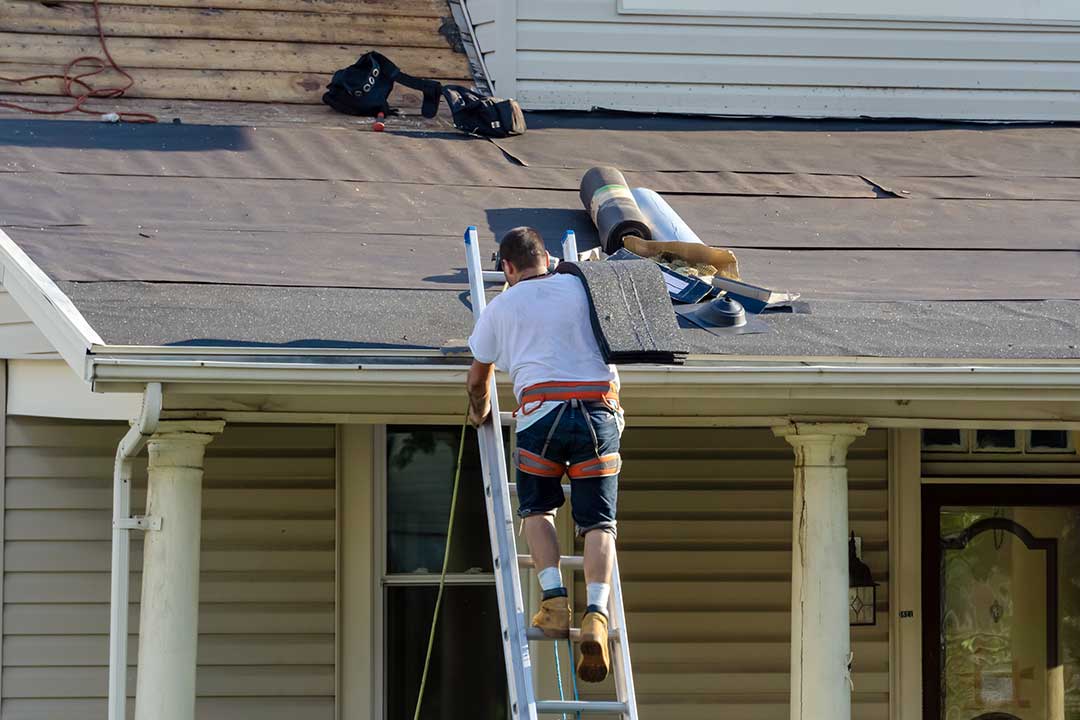
Move the ladder frequently rather than stretching across gaps.
Are There Safer Alternatives for Regular Roof Checks?
You don’t always have to step onto your roof to check its condition. From the ground, use binoculars or a camera with zoom to look for:
- Missing, curled, or broken shingles
- Damaged flashing around chimneys and vents
- Blocked gutters and downspouts
- Areas where moss or debris has collected
Many homeowners in the community use extendable tools or gutter cleaning attachments that allow you to work from the ground level safely. This approach reduces exposure to injury while still allowing good maintenance.
What Are Common Misconceptions about Rooftop Safety?
Many people believe that only old or steep roofs are dangerous, but even newer, gently sloped roofs can be hazardous if wet, icy, or poorly maintained. Moss, for example, is common in shaded parts of the city and can be as slick as ice with even a bit of moisture.
Another misconception: some assume only a full fall off the roof is dangerous. In reality, most injuries occur from lower heights—such as slipping off a ladder or losing balance a few feet above the ground.
Are There Local Conditions that Make Rooftop Safety in Oneida Unique?
Seasonal weather in the area—long winters, significant snowfall, and rapid spring thaws—create challenges not always present elsewhere. Icicles, heavy roof snow loads, and slippery moss can create specific hazards. Residents often find themselves clearing gutters or inspecting for ice dams, both of which require extra care due to slick and cold surfaces.
Tree cover is another factor; falling branches and accumulated leaf debris can create unexpected obstacles. Homeowners in denser neighborhoods may also need to be aware of power lines or shared access points.
What Steps Can Help Reduce Risk While Performing Roof Tasks?
To minimize injury risks for local households:
- Never work alone if possible
- Move slowly and stay alert for changing weather
- Limit time on the roof to as short as necessary
- Keep tools secured—use a tool belt or bucket lowered from above, not loose in pockets
- Avoid distractions such as mobile phones
If you ever feel unsteady, pause and return to ground level to reassess. For larger repairs, extensive cleaning, or suspected structural issues—especially those due to local weather extremes—consider whether the task is worth the risk.
