
What Is Preventive Roof Maintenance and Why Does It Matter Locally?
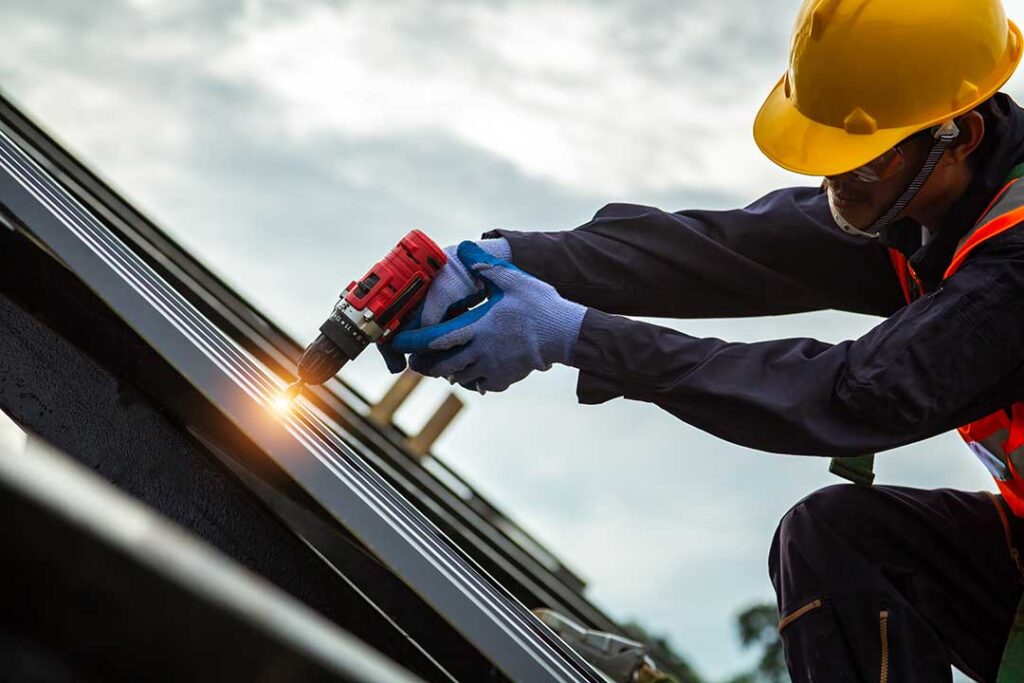
Preventive roof maintenance means routinely inspecting and caring for a home's roof to prevent pricey problems before they develop. In Oneida, NY, where winter snow loads, spring rains, and seasonal temperature swings are the norm, these simple measures can add years to a roof's life while minimizing avoidable headaches.
Unlike emergency repairs or full replacement, preventive care focuses on early detection—catching small leaks, minor damage, or debris before they create bigger issues such as rot, mold, or damaged interiors. For residents in the city, regular attention is a practical way to protect both the structure and value of their homes.
What Are the Most Common Roof Issues That Maintenance Can Prevent?
Regular maintenance directly reduces the most frequent local roofing concerns:
- Ice dams forming along eaves in winter, leading to water intrusion
- Shingle wear and tear from freeze-thaw cycles
- Blocked or misaligned gutters causing drainage problems
- Small punctures or openings where wildlife or wind's wear allows leaks
Proactive maintenance addresses these trouble spots before they progress. Checking roof valleys after heavy rain, clearing debris each autumn, and inspecting attic spaces for damp spots all contribute to a healthier, longer-lasting roof.
How Does Routine Maintenance Extend a Roof's Lifespan?
A well-maintained roof in the community can often last years longer than one left unattended. The reason is simple: Every overlooked minor leak or loose shingle opens the door to larger, more expensive issues down the road. Catching and fixing a cracked flashing or bit of missing sealant can prevent water from reaching wooden roof decking, insulation, and interior ceilings.
In practical terms, this can mean:
- Delaying the need for full roof replacement, sometimes by 5 to 10 years for asphalt shingles or even more with metal or slate
- Avoiding costly repairs after major weather events through early fixes of weak spots
Local homes, especially older ones, benefit notably since even small maintenance actions can reduce the frequency of significant repairs.
How Often Should Roofs Be Inspected in This Area?
In the city, weather and leafy tree cover make twice-a-year roof checks a sound guideline—ideally in late spring and after autumn leaves drop. Additional inspections after major storms or heavy snowfall are sensible for spotting sudden damage.
Some residents choose to visually scan their roofs from the ground after every major weather event. While a professional eye is helpful for in-depth inspections, many tasks can be done safely from below or via binoculars if climbing isn’t advisable due to roof pitch or personal safety.
What Mistakes Do Homeowners Make With Roof Maintenance?
Many local homeowners underestimate the value of small tasks or wait until there's visible damage, leading to higher repair bills or premature replacement. Overlooking gutter cleaning, ignoring moss growth, or patching leaks only from inside without finding the exterior source are common pitfalls.
Another issue arises from assuming newer roofs don’t need attention at all, or that a single inspection following installation is enough for years of security. Even professionally installed roofs can develop problems if wind-blown debris or ice causes unexpected damage over time.
What Preventive Maintenance Tasks Offer the Best Return in This Climate?
Some tasks offer outsized benefits given the local conditions:
- Cleaning gutters and downspouts each fall and spring to reduce ice-dam risk
- Checking for loose, damaged, or missing shingles after windstorms
- Clearing branches, leaves, and moss from the roof surface
- Inspecting attic spaces for signs of moisture, which may indicate small leaks
- Making sure attic insulation and ventilation remain effective to prevent heat buildup and ice dams
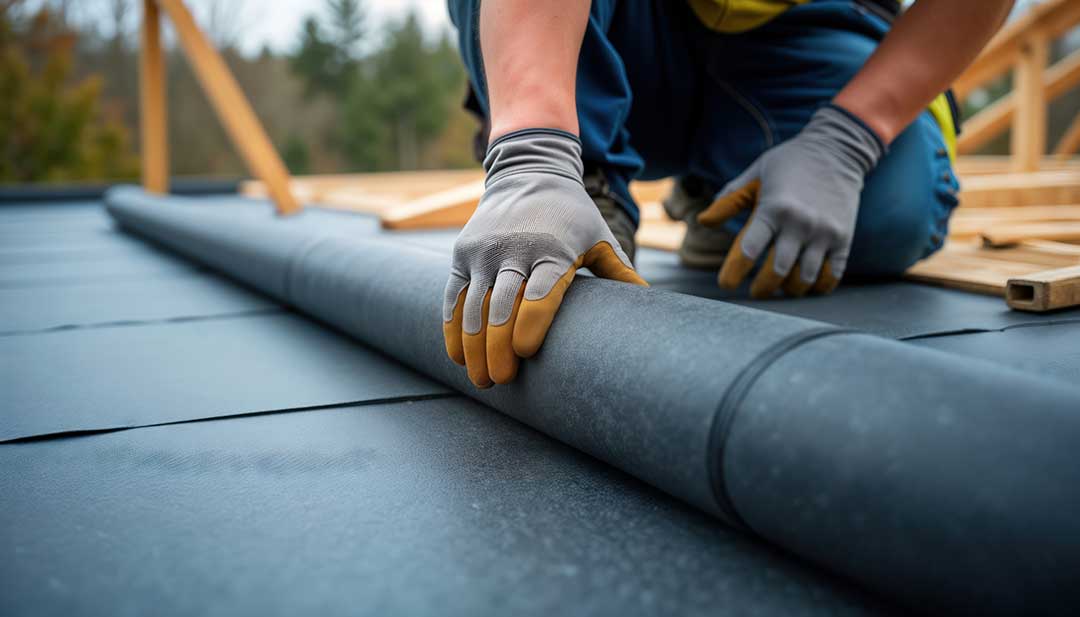
Addressing these items typically requires little time or expense, especially compared to the high costs of repairs caused by water infiltration.
Are There Myths or Misunderstandings About Preventive Roof Maintenance?
A common misconception locally is that preventive maintenance is only worthwhile for older homes or at the end of a roof’s useful life. In reality, neglect at any age can shorten a roof’s lifespan and escalate costs rapidly.
Another misunderstanding is that all roof issues will be obvious from inside the house (such as water stains or dripping). However, most leaks take time to manifest indoors, and by the time they’re visible, structural damage is often underway.
How Does Preventive Maintenance Save Money Over Time?
Every dollar spent on early care often saves several more by reducing emergency fixes, mold remediation, and premature upgrades. Simple maintenance can prevent:
- Water damage to ceilings, walls, and belongings
- Mold growth and unhealthy indoor air
- High heating bills from wet or compressed insulation
For residents balancing routine expenses, avoiding these risks is one of the clearest ways to keep long-term household budgets stable while maintaining property value.
What Are Good Habits for Long-Term Roof Care?
- Mark the calendar for spring and fall inspections.
- Keep gutters and downspouts free of debris throughout the year.
- Use binoculars or high-resolution photos to spot possible issues from the ground.
- Document small changes, such as moss patches or missing shingles, to track over time.
- Address minor repairs promptly rather than waiting for the next season.
Making roof care part of a regular home routine—instead of only handling urgent repairs—gives homeowners more control and peace of mind, no matter what the weather brings.
