
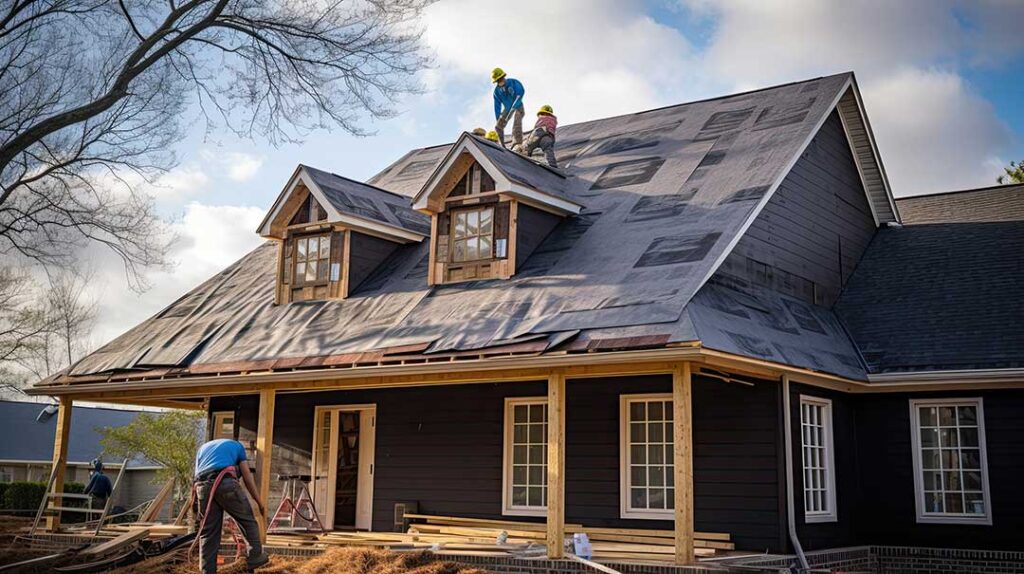
Replacing a roof can affect energy bills, but the savings usually come from several improvements working together rather than from roofing materials alone. In Oneida, NY, where homes experience cold winters, warm summers, wind, snow, and changing humidity, a roof replacement may improve the building envelope by reducing heat loss, limiting heat gain, and correcting ventilation or moisture problems.
A new roof does not automatically make a home energy efficient. The results depend on the roof assembly, attic insulation, air sealing, ventilation, roof color, installation quality, and the condition of the rest of the home.
How can a roof replacement reduce heating and cooling costs?
A roof replacement can lower energy use when it addresses heat transfer through the roof and attic. During winter, heat naturally moves from the warmer living space toward the colder attic and outdoors. During summer, sunlight heats the roof surface, and that heat can move into the attic and upper floors.
A replacement project may improve efficiency by:
- Installing or preserving continuous roof underlayment
- Repairing gaps around roof penetrations
- Improving attic insulation
- Reducing air leakage between the living space and attic
- Correcting blocked or poorly designed ventilation
- Replacing damaged roof decking that allows drafts or moisture intrusion
The shingles themselves provide only limited insulation. Most of the energy benefit comes from the layers beneath the roof surface and from how well the attic is separated from the occupied part of the home.
Why does the attic matter so much?
The attic is often the area where roofing and energy performance overlap. If attic insulation is thin, compressed, wet, or unevenly distributed, conditioned air can escape through the ceiling plane. Warm air may leak through openings around light fixtures, plumbing pipes, wiring, chimneys, and attic access panels.
During a roof replacement, these conditions may become easier to identify because the roofing work can prompt a broader inspection of the attic and roof structure. Air sealing and insulation improvements are often more influential on heating bills than selecting a different shingle color.
A useful distinction is:
- Air sealing limits the movement of indoor air through gaps and cracks.
- Insulation slows heat transfer through ceilings, walls, and other building surfaces.
- Ventilation helps manage heat and moisture in the attic but does not replace insulation or air sealing.
All three serve different purposes. Increasing attic ventilation without addressing air leaks or insufficient insulation may not produce the expected savings.
Can a new roof help during cold Oneida winters?
It can, particularly if the existing roof has moisture damage, missing underlayment, exposed decking, or an attic with significant air leakage. Cold-weather performance depends less on the outer shingle layer than on the complete roof and ceiling assembly.
A well-maintained roof can help keep snow and wind-driven precipitation outside the building. Proper flashing around chimneys, roof edges, vents, and other penetrations also reduces the chance that water damage will weaken insulation or cause sections of the attic to remain damp.
Moist insulation performs poorly compared with dry insulation. If a roof leak has soaked insulation, simply installing a new outer covering may not restore energy performance unless the damaged materials are also addressed.
Ice dams are another local winter concern. They form when heat escaping from the house warms portions of the roof, allowing snow to melt and refreeze near colder roof edges. A replacement alone cannot guarantee that ice dams will disappear. Attic air sealing, adequate insulation, proper ventilation, and roof-edge detailing all influence the risk.
Does roof color affect summer energy bills?
Roof color can influence how much solar heat the roof absorbs, but the effect varies by roof design and attic construction. Dark surfaces generally absorb more sunlight than lighter surfaces. A lighter or more reflective roof may reduce heat gain, especially in homes with low-slope sections, finished attic areas, or limited insulation.
However, roof color is not the first factor to evaluate in a cold-climate home. During much of the heating season, the larger energy concerns are air leakage, insulation levels, window performance, and heating-system efficiency. A roof color change may provide a modest summer benefit, while attic improvements often produce broader year-round effects.
Will replacing an old roof lower utility bills immediately?
Not necessarily. Energy savings may be noticeable after a replacement, but they can be difficult to separate from weather changes, thermostat settings, fuel prices, occupancy patterns, and equipment performance.
A roof replacement is more likely to affect utility use when the old roof was associated with:
- Wet or deteriorated attic insulation
- Large air leaks at the ceiling
- Poorly functioning attic ventilation
- Significant heat gain into upper rooms
- Drafts caused by damaged roof areas
- Repeated repairs that left gaps or incomplete flashing
If the old roof was already watertight and the attic was properly insulated and sealed, the energy difference from new shingles alone may be small.
What should homeowners ask about during a roof replacement?
Before work begins, it is useful to understand whether the project includes only the exterior roof covering or also involves the attic and roof assembly. Questions worth asking include:
- Is the attic insulation dry, evenly installed, and adequate for the home?
- Are air leaks visible around penetrations or the attic hatch?
- Is roof ventilation balanced between intake and exhaust?
- Is damaged decking being replaced?
- Are flashing and underlayment being updated where needed?
- Could existing insulation be disturbed or compressed?
- Are bathroom or kitchen exhaust fans properly vented outdoors?
- Are moisture stains caused by roof leaks, condensation, or both?
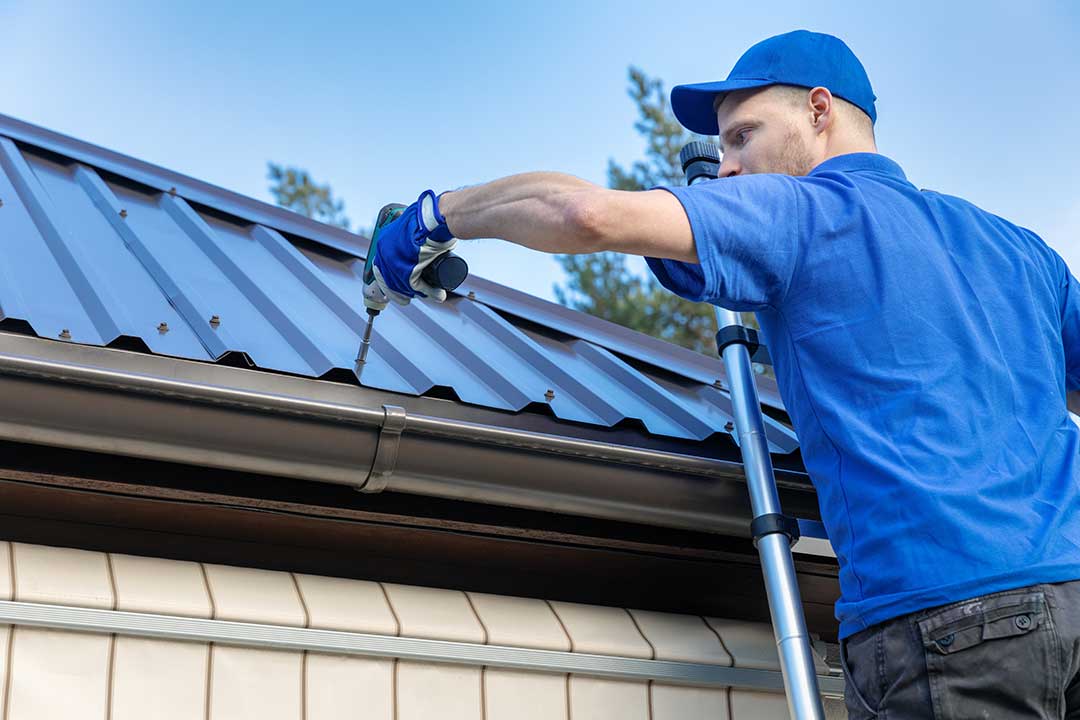
These questions help separate a roofing problem from an insulation, ventilation, or indoor-moisture problem. Several issues can occur at the same time, especially in older housing.
What energy improvements should not be overlooked?
A roof replacement may draw attention to the attic, but other parts of the home can have a greater effect on annual energy use. In many households, the following areas deserve review:
- Basement and rim-joist air leakage
- Drafty windows and exterior doors
- Uninsulated plumbing or ductwork in unconditioned spaces
- Aging heating or cooling equipment
- Poorly sealed attic access panels
- Exhaust fans that run excessively or vent into the attic
- High indoor humidity during winter
Roof work should not be treated as a substitute for a whole-home energy assessment. If heating costs remain high after roof and attic improvements, the source may be elsewhere in the building envelope or mechanical systems.
How can energy savings be measured fairly?
Compare energy use by looking at similar billing periods and accounting for weather. A cold winter followed by a mild winter can create a large difference even if the roof has not changed.
Useful records include:
- Monthly heating fuel or electricity use
- Heating and cooling degree-day information
- Indoor thermostat settings
- Time spent away from the home
- Changes to appliances or heating equipment
- Attic insulation and air-sealing work completed during the project
For a more meaningful comparison, review at least one full heating season and one cooling season when possible. The most realistic expectation is that a roof replacement may contribute to lower energy use when it corrects weaknesses in the attic and roof assembly. The roof covering protects the structure, while insulation, air sealing, ventilation, and moisture control determine much of the energy performance.
