
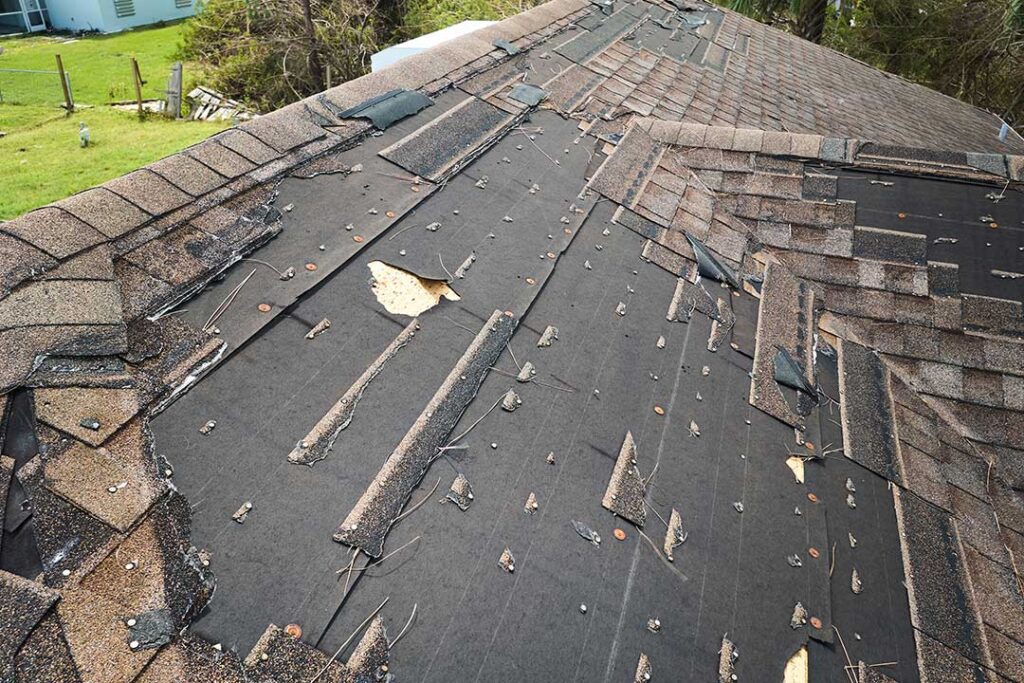
Why do local roof codes matter?
Roofing requirements are not merely paperwork. They establish minimum standards for structural safety, weather resistance, fire protection, drainage, ventilation, and proper installation. For households in Oneida, NY, these requirements help ensure that a roof can withstand the area’s seasonal conditions and remain part of a safe, code-compliant home.
New York uses a statewide Uniform Code, while local code officials administer permits, inspections, zoning requirements, and enforcement. The city’s Codes Department advises residents to ask before starting work if they are unsure whether a project requires a permit. Work that begins without a required permit may be subject to a stop-work order and inspection. ([oneidacityny.gov](https://www.oneidacityny.gov/departments/codes/zoning_construction_division.php?utm_source=openai))
A roof may appear to be a private part of a house, but changes to it can affect neighboring properties, public safety, drainage, fire exposure, and the structural stability of the building.
Which building code applies in New York?
As of December 31, 2025, permit applications in New York are generally required to comply with the 2025 Uniform Code and related 2025 construction and energy codes. The updated system includes the Residential Code, Building Code, Existing Building Code, Fire Code, Property Maintenance Code, and other specialized code books. ([dos.ny.gov](https://dos.ny.gov/division-building-standards-and-codes-frequently-asked-questions?utm_source=openai))
The specific code path depends on the building and the scope of work. A detached one- or two-family home is generally addressed under the Residential Code of New York State. Larger, mixed-use, multifamily, and commercial buildings may be governed by the Building Code or other applicable provisions.
For an existing house, the work may also be evaluated under the Existing Building Code. That matters because replacing a roof is not always treated the same way as repairing a small leak, adding insulation, altering framing, or rebuilding a damaged section.
The applicable requirements can depend on:
- Whether the building is residential or commercial
- Whether the work is a repair, replacement, or roof recover
- The number of existing roof layers
- The condition of the roof deck and supporting framing
- Whether insulation, ventilation, skylights, solar equipment, or structural changes are included
- Whether the property is subject to zoning, historic, floodplain, or other local requirements
Does a roof replacement require a permit?
A permit may be required, but the answer depends on the work being performed and the local interpretation of the project. Replacing roof coverings, repairing damaged decking, changing roof geometry, adding structural components, or modifying insulation and ventilation can involve different requirements.
The safest approach is to confirm the permit question with the Oneida Codes Department before materials are delivered or work begins. Local officials can explain which application, drawings, inspections, and supporting documents apply to the specific property.
This is especially useful for older homes, where the visible roof covering may not reveal how many layers are present or whether the underlying sheathing and rafters remain sound.
A permit is not a guarantee that every installation detail is correct. It is part of a broader process that may include plan review, required inspections, documentation, and confirmation that the finished work meets applicable standards.
What do the roof assembly rules cover?
Chapter 9 of the 2025 Residential Code addresses roof assemblies, including the roof deck, underlayment, insulation, vapor-control materials, ventilation, flashing, drainage, and roof covering. It also includes requirements for materials such as asphalt shingles, metal panels, slate, tile, wood shingles, membrane systems, and certain roof-mounted photovoltaic systems. ([codes.iccsafe.org](https://codes.iccsafe.org/content/NYSRC2025P1/chapter-9-roof-assemblies?utm_source=openai))
The rules are significant because a roof is a system rather than just a top layer of shingles. For example:
- Underlayment helps protect the deck from wind-driven rain and water that gets beneath the outer covering.
- Flashing directs water away from walls, chimneys, valleys, penetrations, and roof edges.
- Ventilation helps manage heat and moisture in attic spaces when the roof design requires it.
- Roof drainage helps move water away from the structure and reduces the chance of ice-related or moisture-related damage.
- Fastening and wind resistance help keep roof coverings attached during severe weather.
- Fire classification may affect the permitted roof assembly, especially near property lines or where local conditions require a particular rating.
A low-cost material installed incorrectly can perform worse than a more ordinary material installed according to the code and its approved instructions.
Can a new roof be installed over the old one?
Sometimes, but not automatically. New York’s residential roof provisions allow some roof recover projects, provided the existing roof is an adequate base and the proposed system meets applicable requirements. A recover is generally not allowed when the existing roof is water-soaked, deteriorated, covered with two or more existing layers, or made from certain materials such as slate, clay, cement, or asbestos-cement tile. ([codes.iccsafe.org](https://codes.iccsafe.org/content/NYSRC2025P1/chapter-9-roof-assemblies?utm_source=openai))
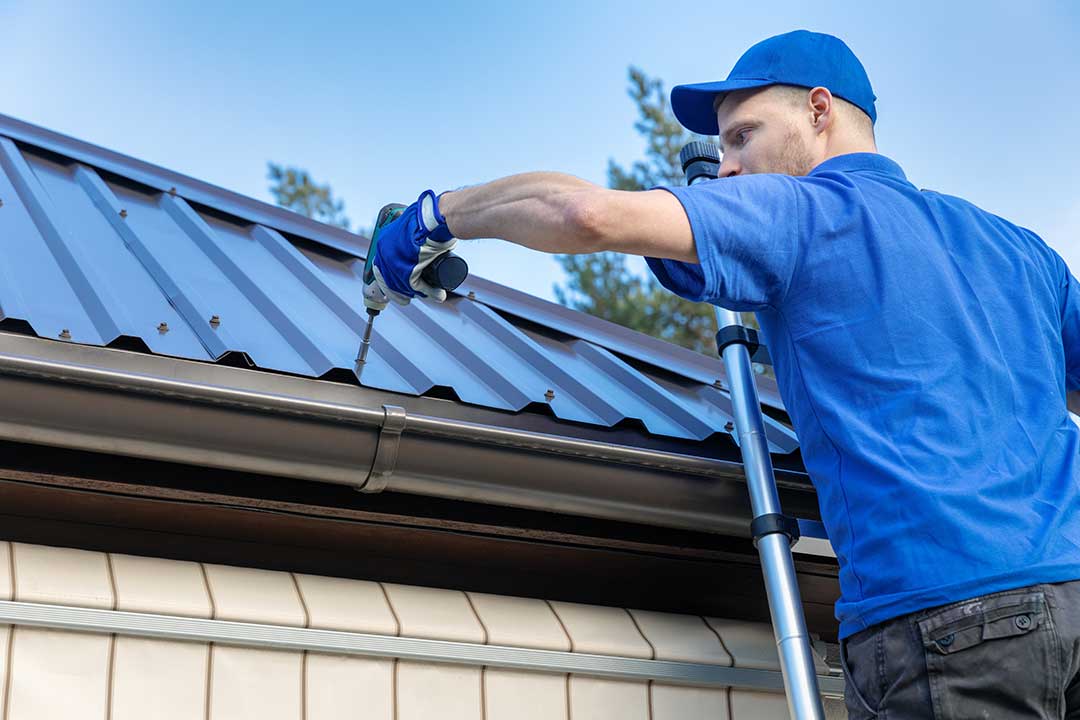
A roof recover can conceal damaged sheathing, add weight, complicate flashing, and make future repairs more difficult. The code therefore focuses on the condition and number of existing layers rather than treating every older roof as a suitable base.
Roof replacement, by contrast, generally involves removing existing coverings down to the roof deck, inspecting the substrate, repairing damaged areas, and installing the new assembly. The correct method depends on the roof’s condition and the selected materials.
How do local climate conditions affect code-related roofing decisions?
Cold winters, snow, wind, freeze-thaw cycles, and spring rain all place demands on roofs in the region. Building codes do not replace good design judgment, but they provide baseline requirements for issues such as roof loading, water management, flashing, underlayment, and ventilation.
Snow and ice are particularly relevant. A roof that appears sound during a dry summer inspection may reveal problems after repeated winter loading or melt-and-refreeze cycles. Water can enter around roof edges, valleys, chimneys, wall intersections, and unsealed penetrations. Inadequate attic ventilation or insulation can also contribute to moisture accumulation and uneven roof temperatures.
Older housing stock may have been built under earlier code editions. That does not necessarily mean the entire home must be upgraded to every current standard simply because a roof is being repaired. However, substantial alterations, structural work, or changes to the building assembly can trigger current requirements for the affected work. New York law generally applies energy-code requirements to new construction and alterations while not automatically requiring every unaltered portion of an existing building to be brought up to current standards. ([nysenate.gov](https://www.nysenate.gov/legislation/laws/ENG/11-103?utm_source=openai))
What should a homeowner ask before roofing work begins?
Before signing paperwork or scheduling material delivery, a homeowner can ask:
- Is the proposed work considered a repair, replacement, or roof recover?
- Is a building permit required for this property and scope of work?
- Which code edition applies to the permit application?
- How will the roof deck be inspected if damaged areas are found?
- How many existing roof layers are present?
- What underlayment, flashing, ventilation, and ice- or water-management details are included?
- Are structural repairs, insulation changes, skylights, solar equipment, or chimney modifications part of the project?
- Which inspections are required, and when should they occur?
- Will zoning or flood-related requirements affect the work?
These questions help separate a complete roof assembly from a surface-only replacement.
What happens if roofing work does not follow code?
Noncompliant work can create safety, insurance, resale, and maintenance problems. The local authority may require corrections, additional inspections, or removal of improperly installed materials. Hidden defects can also become more expensive to fix after the roof is closed in.
Code compliance does not mean that a roof will never leak or require maintenance. It means the work was designed and installed according to legally recognized minimum standards. For residents, confirming the rules before work begins is usually simpler than trying to resolve a permit or inspection problem after the project is finished.
